Understanding Semax and Copper-Mediated Oxidative Stress Research
Semax is a synthetic regulatory peptide derived from the ACTH(4-10) sequence and has been extensively investigated for its neuroprotective and cognitive research applications. Recent studies have examined its interaction with copper ions and its potential influence on oxidative stress pathways associated with neurodegenerative disease models. Pasted text.txt
Researchers have proposed that dysregulated copper metabolism may contribute to the production of reactive oxygen species (ROS) through copper-mediated redox cycling. Excessive ROS generation has been implicated in cellular damage, inflammation, and neurodegenerative processes, including those associated with amyloid-beta (Aβ) accumulation. Pasted text.txt
This article reviews current literature surrounding Semax, copper ion interactions, oxidative stress regulation, and experimental findings investigating its role in cellular neuroprotection.

What Is Semax?
Semax is a synthetic peptide consisting of the sequence Met-Glu-His-Phe-Pro-Gly-Pro. It was originally developed from a fragment of adrenocorticotropic hormone (ACTH) and has been studied for neurotrophic, neuroprotective, and cognitive-supporting properties in experimental settings. Pasted text.txt
Researchers have reported that Semax exhibits a strong affinity for copper ions through its amino-terminal copper-binding motif, making it a candidate for studies investigating metal-ion regulation and oxidative stress pathways.
Copper, Reactive Oxygen Species, and Neurodegenerative Research
Copper is an essential trace element involved in numerous biological functions. However, under certain conditions, copper can participate in redox reactions that generate reactive oxygen species. Elevated ROS production has been associated with oxidative damage to proteins, lipids, and cellular structures. Pasted text.txt
In Alzheimer’s disease research, investigators have explored how copper may interact with amyloid-beta peptides, potentially contributing to oxidative stress and neuronal dysfunction. These mechanisms remain active areas of scientific investigation.
Key Findings from the Study
Researchers reported that Semax demonstrated the ability to bind copper ions and influence copper-mediated redox activity in laboratory models. The study found that Semax reduced copper-catalyzed ROS generation and decreased oxidative stress markers associated with amyloid-beta and copper interactions. Pasted text.txt
Additional experiments suggested that Semax could reduce cellular toxicity in cultured neuroblastoma cells exposed to copper-driven oxidative stress conditions. The authors proposed that these effects may be related to copper chelation and redox silencing mechanisms. Pasted text.tx
Why Researchers Are Interested in Semax
The ability to regulate metal-ion activity and oxidative stress remains a significant area of interest in neuroscience research. Investigators continue to explore whether compounds capable of modulating copper-associated ROS production may provide valuable insights into neurodegenerative disease mechanisms. Pasted text.txt
While additional research is necessary, Semax continues to be studied as a tool for understanding neuroprotection, oxidative stress regulation, and cellular resilience in experimental models.
Original Source
This article was inspired by and references findings published in:
Tomasello MF, Di Rosa MC, Naletova I, et al. Semax, a Copper Chelator Peptide, Decreases the Cu(II)-Catalyzed ROS Production and Cytotoxicity of Aβ by Metal Ion Stripping and Redox Silencing. Bioinorganic Chemistry and Applications (2025).
Original Source: Semax, a Copper Chelator Peptide, Decreases the Cu(II)-Catalyzed ROS Production and Cytotoxicity of aβ by Metal Ion Stripping and Redox Silencing
References
- Tomasello MF, Di Rosa MC, Naletova I, et al.Semax, a Copper Chelator Peptide, Decreases the Cu(II)-Catalyzed ROS Production and Cytotoxicity of Aβ by Metal Ion Stripping and Redox Silencing. Bioinorganic Chemistry and Applications. 2025. Pasted text.txt
- Ashok BS, Ajith TA, Sivanesan S. Hypoxia-Inducible Factors as Neuroprotective Targets in Alzheimer’s Disease. Cellular and Molecular Neurobiology. 2017.
- Crouch PJ, White AR, Bush AI. The Modulation of Metal Bioavailability as a Therapeutic Strategy for the Treatment of Alzheimer’s Disease. FEBS Journal. 2007.
- Hureau C, Faller P. Abeta-Mediated ROS Production by Cu Ions: Molecular Mechanisms and Therapeutic Opportunities. Chemical Society Reviews. 2009.
Related Research Materials
The products listed below are intended for laboratory research and development purposes only. References to scientific literature are provided for educational and informational purposes.
-
Product on sale
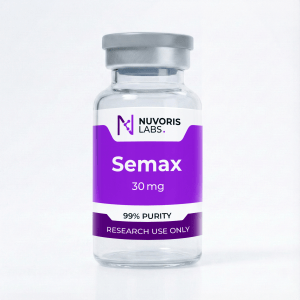 Semax | 30mgOriginal price was: $73.60.$64.00Current price is: $64.00.
 -
Product on sale
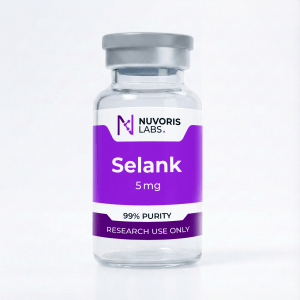 Selank | 5mgOriginal price was: $51.75.$45.00Current price is: $45.00.
 -
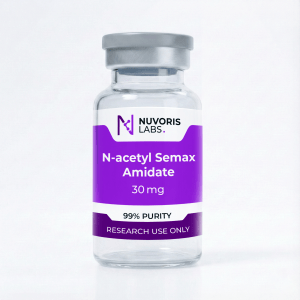 N-Acetyl Semax Amidate | 30mg$90.85
 -
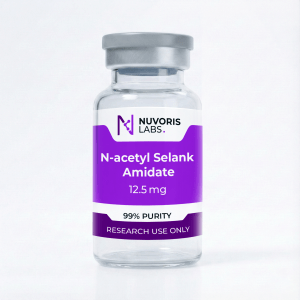 N-Acetyl Selank Amidate | 12.5mg$73.60
 -
Product on sale
 Adamax | 10mgOriginal price was: $73.60.$64.00Current price is: $64.00.